









What Is Non Woven Fabric? GSM, Spunbond and Spunlace Explained

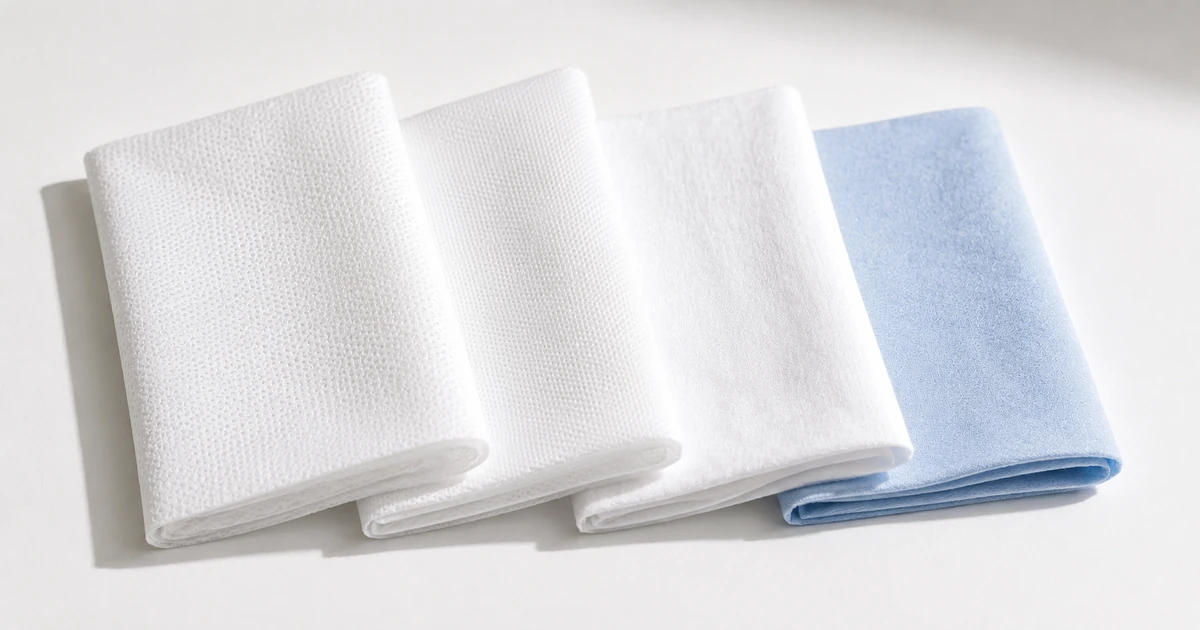
GSM is grams per square metre: the weight of the fabric, and the single number that tells you how a disposable will behave in service. 20 GSM is light and economical for short services. 25 GSM has more body and resists tearing at the neck. 40 GSM feels closer to cloth and is used where a client is lying down for longer. Spunbond is the bonded non woven used for aprons, gowns and caps; spunlace is softer and more absorbent, which is why it goes into wipes and towels.
Almost every disposable product in a salon is made from non woven fabric. Aprons, gowns, briefs, wipes, caps, shoe covers, masks, bed sheets, wax strips. And almost every product listing describes itself simply as “non woven”, which tells you nothing useful.
That is a problem when you are comparing two suppliers on price. If one apron is ₹8 and another is ₹11, you cannot know whether you are looking at a bargain or a downgrade unless you know what specifications to compare.
This is the short version of what you need.
What non woven fabric actually is
Conventional fabric is made by weaving or knitting: individual threads are interlaced to make a sheet. Non woven fabric skips that entirely. Fibres are bonded directly into a sheet using heat, pressure, chemicals or mechanical entanglement.
Because you skip spinning and weaving, non woven is dramatically cheaper and faster to produce. That is the whole reason single-use salon products are affordable.
The trade-off is that non woven has no thread structure to hold it together under stress. It resists moderate force well but tears in a straight line once a tear starts. This is why an apron that catches on a chair arm can rip across in one motion, and why GSM matters so much.
Most non woven for salon products is polypropylene. It is light, hydrophobic in its basic form so liquids sit on the surface rather than soaking through, and it holds no odour.
GSM: the number that actually matters
GSM is grams per square metre. It is the weight of the fabric, and in practice it is the single most useful specification when comparing disposable products.
Higher GSM means more material per unit area, which means:
- More strength. Higher resistance to tearing.
- More opacity. Lower GSM fabric is more see-through. This is critical for briefs, bra wraps and gowns.
- More substance in the hand. Clients notice. A flimsy gown reads as cheap.
- Higher cost. More raw material.
Typical ranges in salon products run from around 20 GSM at the light end to 40 GSM and above for products that need substance.
The difference is not marginal. Our 20 GSM client apron is ₹8 and the 25 GSM version is ₹11. That is a 37% price increase for 25% more material, and it is worth it for wet services because a 20 GSM apron that gets soaked during a colour rinse becomes fragile and can tear when the client shifts.
The same applies to briefs. Our 25 GSM male brief at ₹7.50 and the 40 GSM version at ₹8.50 differ mainly in opacity and perceived quality. For ₹1 more, the 40 GSM is a noticeably better client experience and avoids the see-through problem entirely.
The practical rule: match GSM to whether the product will get wet or bear load. Dry, brief contact can run light. Wet, load-bearing or modesty-critical needs weight.
The main types you will encounter
Non woven is a family of fabrics, not one material. Four types cover almost everything in a salon.
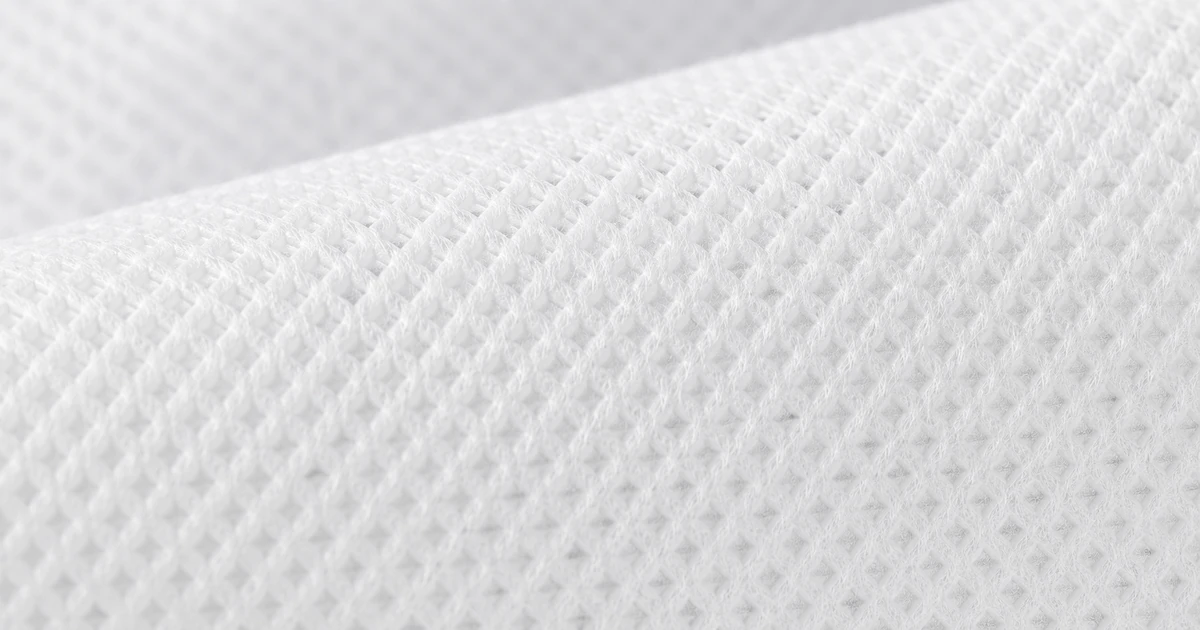
Spunbond. Fibres are extruded, laid into a web and bonded with heat and pressure. Strong, breathable, hydrophobic, cheap. This is the workhorse: aprons, gowns, caps, shoe covers, bed sheets. If a listing just says “non woven”, it is usually spunbond.
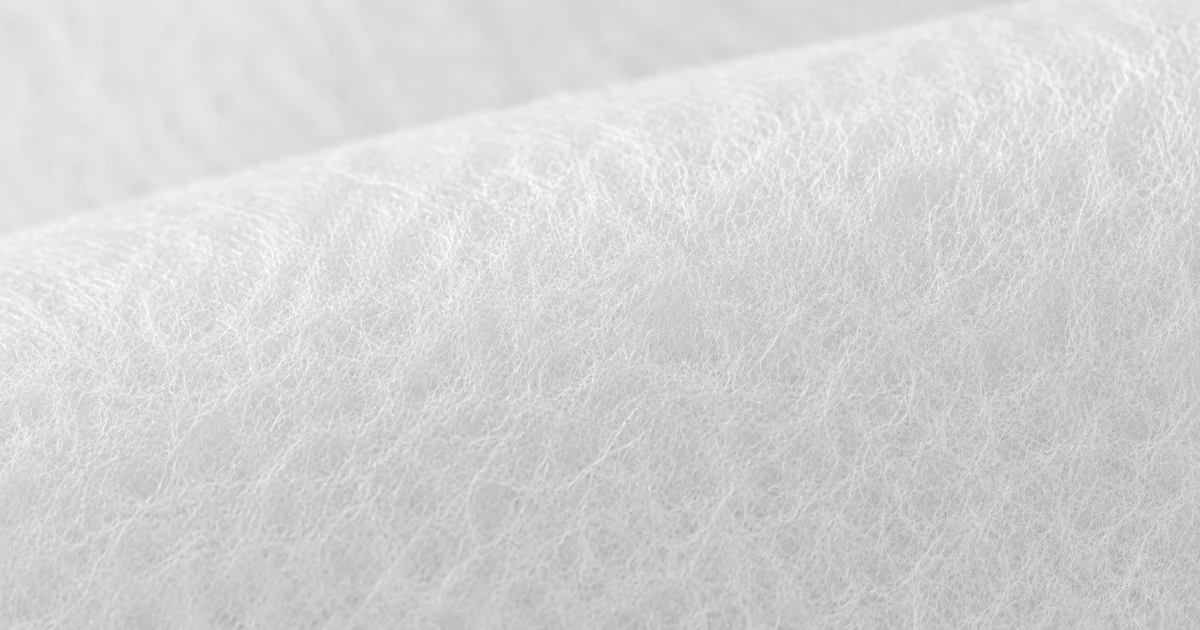
Spunlace. Fibres are entangled using high-pressure water jets rather than heat, with no chemical binder. The result is softer, more cloth-like, more absorbent and more drapeable than spunbond. Used where the fabric touches skin for a long time or needs to absorb: wipes, facial sheet masks, and the better grade of undergarments.
Spunlace costs more, and it is why our spunless male brief at ₹14 sits well above the 25 GSM spunbond version at ₹7.50. You are paying for softness against skin, and for a treatment where the client is undressed and lying still for an hour, that is a reasonable thing to pay for. Our female brief and bra wrap are both spunlace for the same reason.
“Spunless” as it appears on Indian pricelists refers to spunlace.
Meltblown. Very fine fibres producing a dense web with excellent filtration. Almost never used alone because it is weak, but it is the critical middle layer in a 3-ply face mask. The filtration in a 3-ply face mask comes from this layer, not from the outer spunbond layers. A mask without a genuine meltblown middle is a dust cover.
SMS (spunbond-meltblown-spunbond). A laminate combining spunbond’s strength with meltblown’s barrier. Used where you need fluid resistance and durability together, such as a surgical gown or PPE suit.
Quick reference
| Type | Feel | Absorbent | Strength | Typical salon use |
|---|---|---|---|---|
| Spunbond | Slightly crisp | No, repels | High | Aprons, gowns, caps, shoe covers, bed sheets |
| Spunlace | Soft, cloth-like | Yes | Moderate | Wipes, sheet masks, briefs, bra wraps |
| Meltblown | Fine, fragile | No | Low | Mask filter layer only |
| SMS | Substantial | Resistant | High | Surgical gowns, PPE |
Why some products are plastic, not non woven
Not everything disposable is non woven, and the substitution is deliberate.
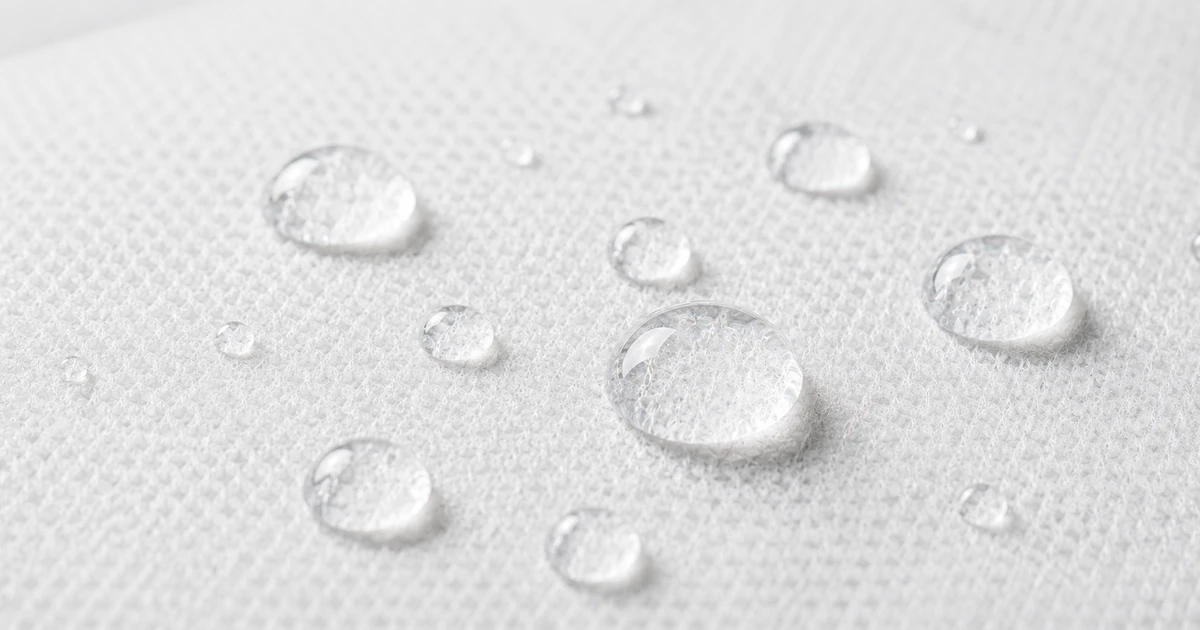
Where you need a genuine liquid barrier rather than water resistance, plastic wins. Our plastic shower cap and plastic ear caps are plastic because they must keep water and bleach out completely. Non woven would wet through.
Similarly, plastic shoe covers are the right choice on a wet floor, while non woven shoe covers are more breathable and better for dry areas and long wear. Both are stocked because they solve different problems.
A plastic backward bib is plastic for the same reason: it exists to stop liquid reaching clothing.
What to ask a supplier
Five questions that separate a real specification from a vague one:
- What GSM? If they cannot answer, they do not know what they are selling.
- Spunbond or spunlace? Determines softness and absorbency.
- Exact dimensions? “Large” is not a size. Ours are stated in inches.
- Pieces per pack? Price per piece is meaningless without it.
- Is GSM consistent between batches? A supplier who ships 22 GSM against a 25 GSM order once will do it again.
Every product in our catalogue lists GSM where relevant, exact dimensions, and pack count. That is deliberate, because it is the only way you can compare us to anyone else honestly. Browse our full range of disposable salon and spa supplies or the individual categories for aprons and gowns, undergarments and wipes, towels and tissues.
Where this leaves you
Non woven is not one thing, and “non woven apron” is not a specification. Once you know to ask for GSM and fabric type, you can compare suppliers properly and stop buying on headline price alone.
If you want the specification detail across your whole consumables list, our bulk buying guide covers what to check before committing to a large order, and the salon hygiene checklist tells you which items each service needs in the first place. For the case for single-use generally, see why every salon needs disposable products.
Questions on a specification? WhatsApp or call +91 8866 262688, or send us your list and we will confirm exactly what you would be getting.
Frequently asked questions
What is non woven fabric?
Fabric made by bonding fibres directly into a sheet with heat, pressure, chemicals or water jets, rather than weaving or knitting threads together. Skipping the spinning and weaving stages makes it far cheaper and faster to produce, which is why single-use salon products are affordable. Most salon non woven is polypropylene.
What does GSM mean on disposable salon products?
Grams per square metre, the weight of the fabric. Higher GSM means more strength, more opacity and more substance in the hand, at higher cost. Salon products typically run from around 20 GSM at the light end to 40 GSM and above where substance matters. Match GSM to whether the product will get wet or bear load.
What is the difference between spunbond and spunlace?
Spunbond is heat-bonded, crisp, strong and water-repellent, used for aprons, gowns, caps and bed sheets. Spunlace is water-jet entangled, softer, more cloth-like and absorbent, used for wipes, sheet masks and the better grade of undergarments. Spunlace costs more and is worth it where fabric sits against skin for a long time. “Spunless” on Indian pricelists means spunlace.
Is a higher GSM apron worth the extra cost?
For wet services, yes. A 20 GSM apron soaked during a colour rinse becomes fragile and can tear when the client shifts, so you end up using two. For a dry haircut, 20 GSM is adequate. The step from 20 to 25 GSM on our client aprons is ₹8 to ₹11.
Why are some disposable salon products plastic instead of non woven?
Because non woven is water-resistant rather than waterproof. Where a complete liquid barrier is needed, plastic is correct: shower caps and ear caps must keep water and bleach out entirely, and plastic shoe covers suit wet floors. Non woven versions are more breathable and better for dry areas and longer wear.


