









How to Maintain Hygiene Standards at Your Spa

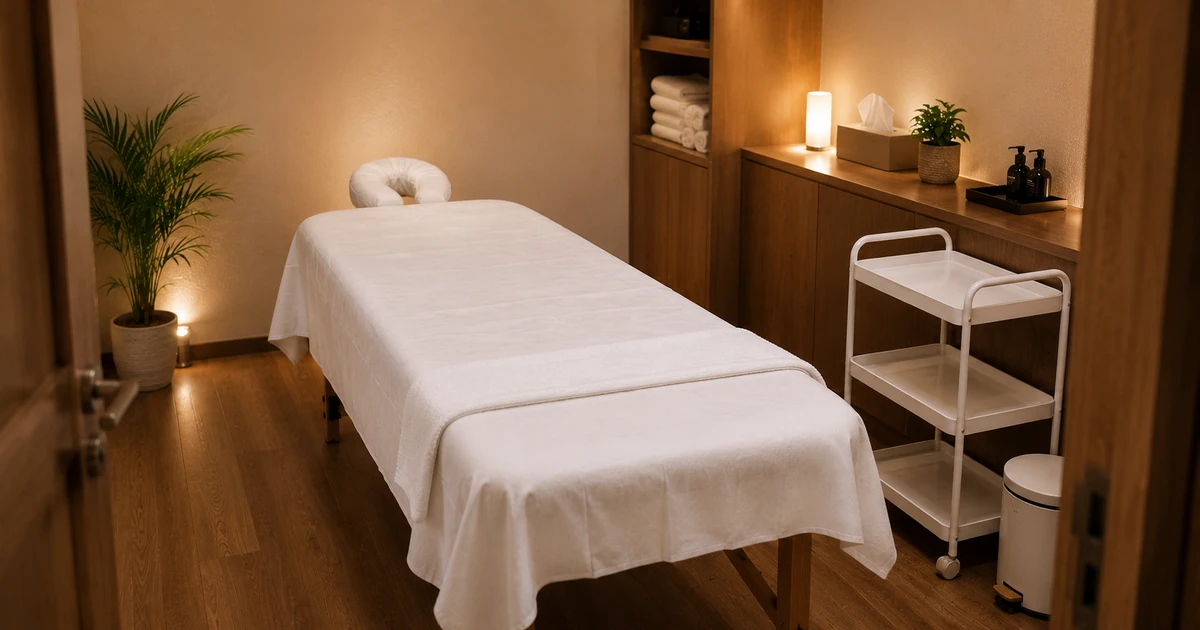
Spa hygiene standards come down to what happens between clients, not what is on the wall. A fresh disposable bed sheet on the couch, single use gown and briefs for the guest, clean hands before and after gloving, and a treatment room reset that takes under two minutes. Guests judge a spa on what they can see: the sheet going on fresh in front of them is worth more than any certificate.
A spa sells relaxation, and relaxation is fragile. A client who notices a stray hair on the bed, a scuffed slipper, or a towel that smells faintly of the last person has already stopped relaxing, and no amount of skill in the treatment recovers that.
So spa hygiene is not only a health question. It is the product. Here is how to build standards that hold up on a busy day, not just on the day you inspect.
Standards fail for structural reasons, not lazy ones
Almost nobody sets out to cut corners. Standards slip because of three predictable pressures.
Time. Back-to-back bookings with no gap. If the schedule allows five minutes between clients and the reset genuinely takes eight, the reset gets shortened. Every time.
Stock. When clean linen runs out at 4pm, staff improvise. The fix is not a lecture about standards, it is holding enough stock.
Ambiguity. “Clean the room properly” means different things to different people. Undefined standards drift toward whatever the least thorough person on the team does.
Fix the structure and behaviour follows. Build in realistic turnaround time, hold enough stock, and define the reset as a specific list rather than an instruction to be thorough.
The treatment room reset
Define it as a list and time it honestly. A realistic reset:
- Used linen and disposables straight into the used bin. Not onto a chair, not onto the floor.
- Table wiped down, including the sides and the base where hands and feet touch.
- Face cradle wiped and re-covered.
- Trolley top cleared and wiped.
- Product containers wiped if oily.
- Fresh bed covering laid out.
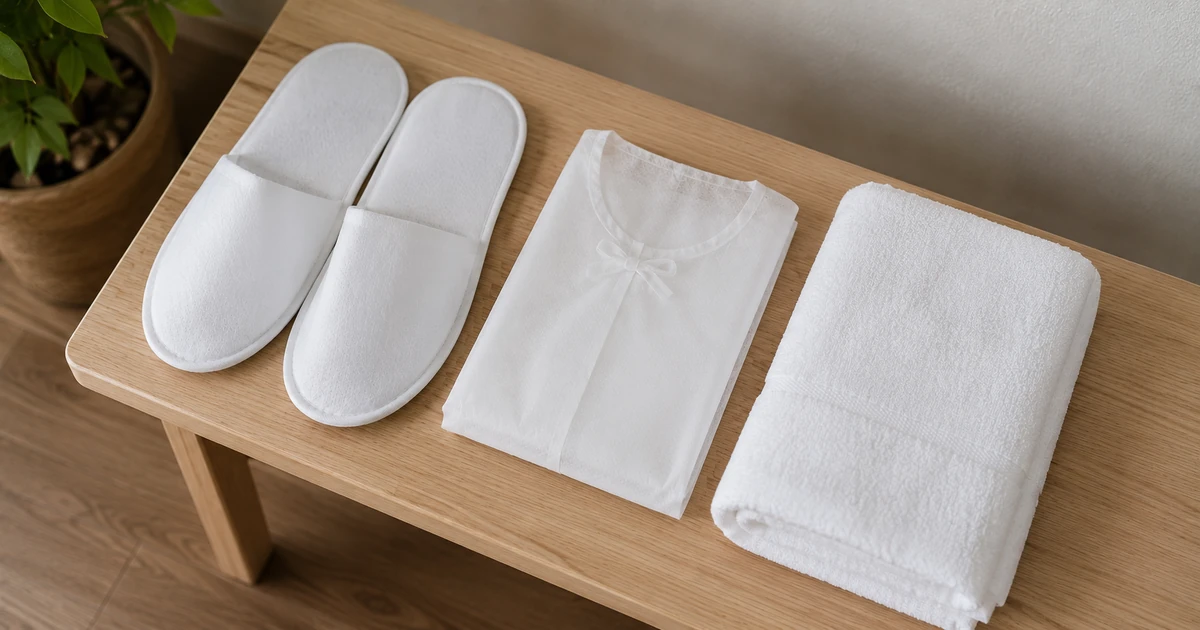
- Fresh client kit set out: undergarments, towel, slippers.
- Floor checked for hair, water and product spills.
- Room aired if possible.
- Hands washed.
Time this properly with a stopwatch, then build your booking intervals around the real number. A spa that schedules a 10-minute gap and needs 8 minutes has a system that works. One that schedules 5 and needs 8 has a system that fails quietly every day.
The client-visible layer
Clients cannot audit your disinfection. They judge on what they can see, and there are perhaps six signals that carry almost all the weight.
Something is opened in front of them. A pack of disposable bed sheets or a sealed set of undergarments, opened in view, is the strongest hygiene signal available to you. Do not pre-lay everything before the client walks in; leave one item to open in front of them.
Fresh slippers. Disposable slippers at ₹22 a pair, handed over new. Reused spa slippers are one of the most off-putting details in the industry, and clients notice the crushed heel and the previous person’s footprint immediately.
Undergarments that fit and are opaque. A see-through brief is worse than none, because it signals that you bought the cheapest available. Our 40 GSM male brief and the spunlace female brief and bra wrap exist specifically to avoid this. Our undergarments guide covers sizing and opacity in detail.
Towels that look and smell new. Disposable towels remove the greying and the faint laundry smell that reusables acquire.
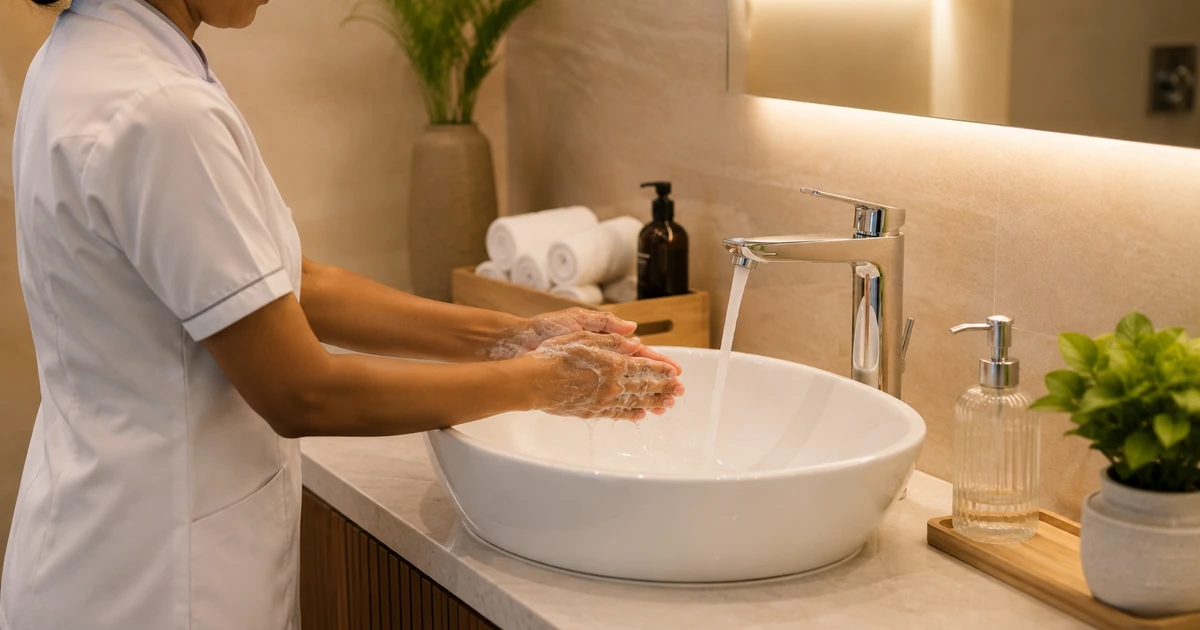
A therapist who washes their hands in view. Not in the back room. At a visible basin, before touching the client.
Bins that are closed and not overflowing. An open bin with used linen visible undoes the rest.
Water and wet areas
Wet areas carry the highest infection risk in a spa and get the least attention.
Foot baths and pedicure bowls need genuine disinfection between clients, not a rinse. Fungal infections and athlete’s foot spread readily here. Use a liner where possible, and disinfect the bowl properly regardless.
Steamers need the reservoir emptied and refilled, not topped up. Standing water grows bacteria and you are aerosolising it directly onto a client’s face.
Showers and wet rooms need daily disinfection of floors and drains, with particular attention to grout and corners.
Sauna and steam benches need wiping between users, and clients should sit on a fresh towel rather than directly on shared wood.
Drains need checking. A blocked or slow drain produces odour that clients read as dirtiness even when everything else is spotless.
Product hygiene
The rule is simple and constantly broken: product comes out with a clean implement and never goes back in.
Fingers into a cream tub contaminate the tub for every subsequent client. Use a spatula, take what you need, and discard the excess rather than returning it.
Buying in bulk makes this easier rather than harder, provided you decant properly. A 5 kg tub of massage and facial cream or a 5 litre bottle of hair oil should be decanted into a smaller working container that is emptied and washed before refilling, never topped up. Topping up a working bottle means the residue at the bottom never leaves.
The same applies to bulk shower gel and body scrub in wet areas. Pump dispensers are better than open tubs anywhere a client can reach. Our guide to buying 5 litre and 5 kg consumables covers decanting and shelf life properly.
Staff protection is client protection
Therapists working long shifts with their hands in product and water develop skin problems, and a therapist with dermatitis on their hands is both a personal health issue and a contamination route.
Provide gloves in correct sizes for treatments involving strong actives, extractions or any broken skin. Provide shoe covers for wet areas. Ensure cuts are covered before a shift starts.
Our PPE guide sets out what is genuinely needed for each service.
Training that actually transfers
Written standards achieve nothing on their own. Three things make them stick.
Demonstrate, then watch. Show the reset once, then watch the person do it and correct in the moment.
Explain the why. A therapist who knows that double-dipping a spatula contaminates the wax for every subsequent client will never do it. One who has only been told not to will do it when rushed.
Make it observable. Standards that can only be verified by watching someone will not be maintained. Standards tied to visible artefacts, like an empty used-linen bin at close or a stock level on a shelf, hold.
Then audit occasionally and without drama. Walk a room as a client would, at 5pm on your busiest day rather than at 9am on a quiet Tuesday.
Stock levels are a hygiene control
This is the part most spas underestimate. Running out of a disposable is a hygiene failure, not an inventory failure. It is the moment where reuse happens.
Set a reorder trigger for every consumable at roughly two weeks of cover, and reorder on stock level rather than on a date. Hold more of the items that would be improvised around if they ran out: bed sheets, undergarments, towels, gloves.
Work out your monthly consumption from treatment volume, then use our bulk buying guide to size orders without tying up cash or exceeding your storage. For a full item-by-item list of what each treatment needs, work through the complete salon hygiene checklist.
Where to start
If your standards need work, do these three first: define and time the reset, fix the booking gap to match it, and set reorder triggers so you never run out.
Everything a spa needs is in our range of disposable salon and spa supplies, browsable in the shop. For the underlying case for going single-use, see why every salon needs disposable products.
Building a stock list for a new spa or reviewing an existing one? Send us your requirements or WhatsApp +91 8866 262688 and we will help you work out quantities.
Frequently asked questions
What are the most important spa hygiene standards?
Four things carry most of the risk: a defined treatment room reset between every client, physical separation of clean and used items, proper disinfection of wet areas including foot baths and steamers, and never returning product or implements to a container after skin contact. Everything else builds on those.
Why do spa hygiene standards slip?
Three structural reasons rather than carelessness: booking gaps too short for a real reset, stock running out mid-shift so staff improvise, and vague standards that drift toward whatever the least thorough person does. Fix the schedule, the stock levels and the specificity, and behaviour follows.
How long should a spa treatment room reset take?
Time yours with a stopwatch rather than estimating. A full reset covering linen removal, table and face cradle wipe-down, trolley clearing, fresh kit laid out and floor check typically runs longer than the five minutes most spas schedule. Build booking intervals around the real number.
How can a spa show clients it is hygienic?
Open something in front of them. A sealed pack of bed sheets or undergarments opened in view is the strongest available signal. Add fresh disposable slippers, opaque well-fitting undergarments, towels that look new, visible hand washing before contact, and closed bins that are not overflowing.
Is running out of disposables a hygiene problem?
Yes, and it is the one most spas misfile as an inventory problem. A stockout is the moment reuse happens. Set a reorder trigger at around two weeks of cover for every consumable and reorder on stock level rather than on a calendar date.


