









Disposable vs Reusable Salon Supplies: The Real Cost Per Client

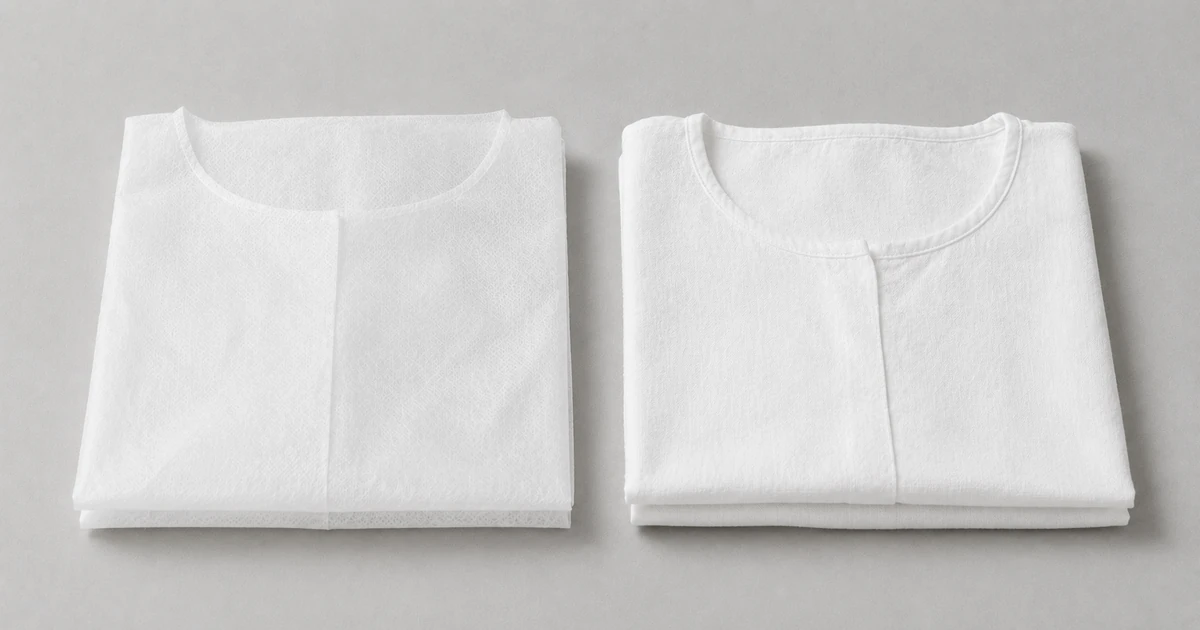
Most salons compare a ₹15 disposable gown with a ₹200 reusable one, conclude the reusable is obviously better value, and never revisit it.
That comparison is wrong, because it compares a purchase price with a purchase price. The number that matters is cost per client, and calculating it properly changes the answer for some items and confirms it for others.
We sell both. Here is the honest arithmetic.
What a reusable item actually costs per use
Six components, and most salons count only the first.
1. Purchase price divided by realistic lifespan. Not the manufacturer’s claim. The number of uses before the item is too stained, thin or misshapen to put in front of a paying client. For salon textiles under commercial laundering with oil and colour exposure, this is usually far lower than expected.
2. Water. Per wash, divided by items per load.
3. Electricity. Washing and, critically, drying. Drying is the expensive part, and in monsoon conditions without a dryer, items simply do not dry, which is its own operational problem.
4. Detergent and any sanitiser.
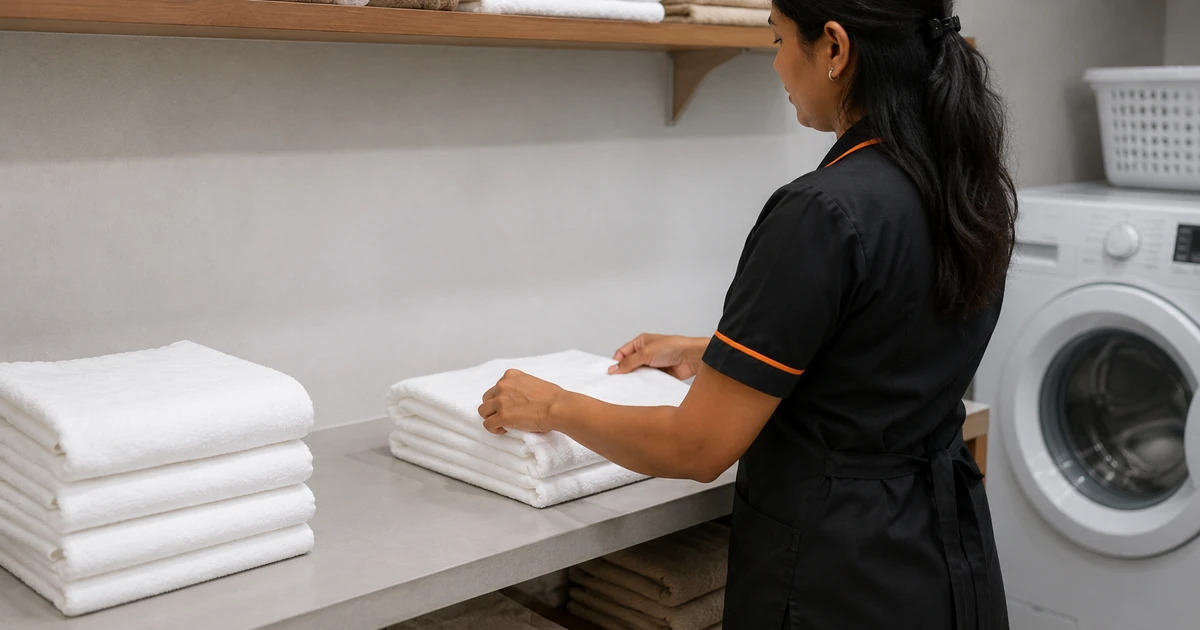
5. Labour. Sorting, loading, transferring, drying, folding, storing, restocking. Costed at whatever you pay the person doing it.
6. Replacement from staining. Distinct from wear. An oil-stained gown may be structurally fine and commercially unusable.
There is also working capital: to run reusables you must own enough stock to cover your busiest day plus a full wash and dry cycle. That is typically three times your peak daily usage, sitting on a shelf.
Working through a real example
Take our reusable cotton half gown at ₹200 against our non woven disposable half gown at ₹15, or ₹13 at wholesale.
For the reusable, assume a realistic 60 uses before it is no longer presentable. Purchase cost per use: ₹3.33.
Then add per use, assuming 20 items per wash load:
- Water, electricity and detergent for a load: allow ₹40 to ₹60, so ₹2 to ₹3 per item
- Labour: if the full laundry cycle for 20 items takes 30 minutes of someone’s time at ₹100 per hour, that is ₹50 per load, or ₹2.50 per item
That lands at roughly ₹8 to ₹9 per use, against ₹15 for the disposable, or ₹13 in bulk.
So on this item, the reusable genuinely is cheaper per use, by around ₹5. On 300 clients a month that is ₹1,500.
We are telling you that because it is true. For gowns specifically, if you have laundry capacity and a system that reliably launders between every client, the reusable wins on cost.
Now change one assumption. If the gown only survives 30 presentable uses instead of 60, purchase cost per use doubles to ₹6.67 and the total lands at ₹11 to ₹12, and the gap narrows to almost nothing. If your labour cost is higher, or your load size smaller, the disposable wins.
The lesson is not “disposables always win”. It is that the answer is item-specific and depends on your lifespan and labour assumptions. Run the numbers on your own figures.
Where disposables clearly win
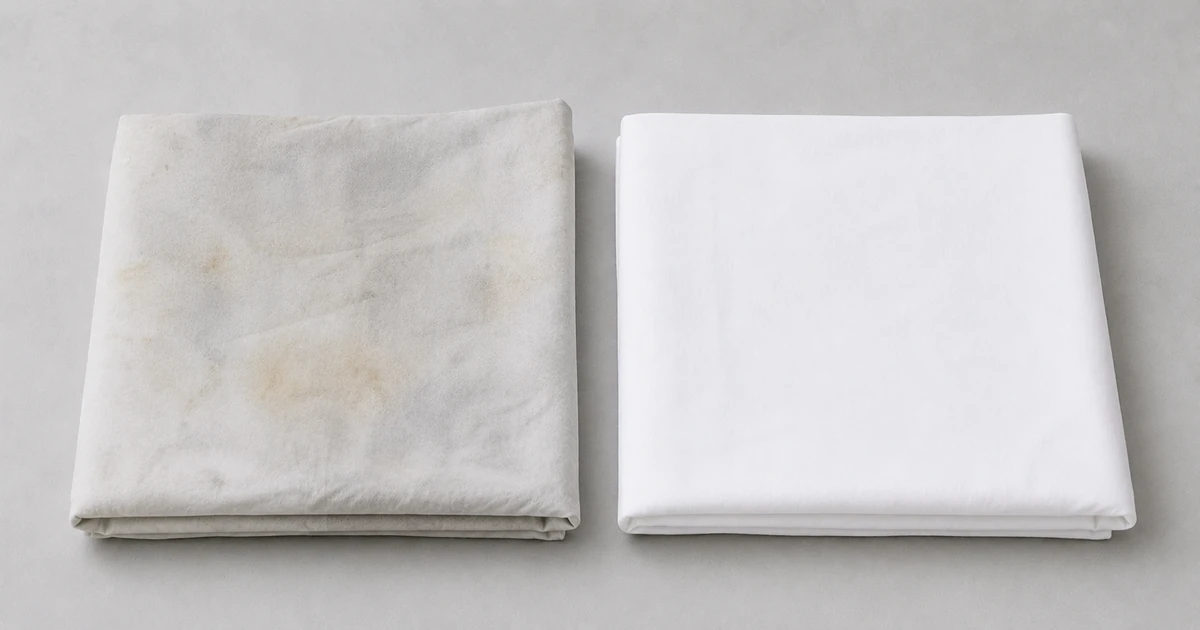
Bed sheets, especially for oil treatments. Massage oil does not wash out. Reusable sheets go grey and blotchy within months regardless of laundering care, so the replacement component is high and the item is presentation-critical. A 30×70 inch disposable sheet at ₹8 is hard to beat once you account for that. Detail in our bed sheet guide.
Client aprons and capes. At ₹8 for a 20 GSM client apron, there is almost no room for a laundered alternative to compete, and capes are exposed to colour and bleach that stain permanently.
Anything contacting broken skin. Waxing consumables, extraction materials. Not a cost question at all. See waxing salon hygiene.
Undergarments. Nobody launders and reuses client underwear. There is no comparison to make. See our undergarments guide.
Wipes and small towels. High volume, low value, awkward to launder in quantity. Dry wipes at 90 per pack replace a genuinely tedious laundry stream.
Slippers. Reused spa slippers are one of the worst details in the industry. Disposable slippers at ₹22 solve it.
Caps, masks, shoe covers, gloves. No reusable equivalent worth considering.
Where reusables still win
Full gowns and robes, if you have laundry capacity. As shown above.
Large towels, for dry treatments. A good cotton towel launders well and lasts, provided it is not absorbing massage oil.
Anything premium-positioned. If part of what you sell is a heavyweight cotton robe and real linen, that is a deliberate experience choice and the cost comparison is not the point.
Staff uniforms. Obviously.
This is why we stock the reusable cotton half gown alongside the disposable versions in aprons and gowns. Different salons, different answers.
The costs neither calculation captures
Stockout risk. A reusable system fails when clean stock runs out mid-shift, and that failure is a hygiene failure, not an inventory one. Disposables fail more gracefully, because you can hold a month of stock in a cupboard.
Client perception. A visibly fresh, opened-in-front-of-them item carries value that does not appear in either column. Hard to quantify, real in reviews.
Staff time opportunity cost. The three to eight hours a week that go into laundry could go into retail sales or client follow-up. That is not just a cost saved, it is revenue foregone.
Waste and disposal. The honest counterweight. Disposables generate more waste, which needs bins, collection, and separate handling for contaminated items. Add that cost to the disposable column.
Environmental impact. Genuinely mixed rather than obviously one-sided. Single-use non woven creates plastic waste. Laundering consumes water, energy and detergent continuously and reusables need replacing too. Anyone claiming a simple answer is selling something. Our view: use reusables where they genuinely launder well and last, use disposables where hygiene demands it or where laundering is impractical, and do not pretend either is free.
A practical framework
For each item, ask:
- Does it contact broken skin or bodily fluid? Yes, disposable, no further analysis.
- Will it stain permanently from oil, colour or wax? Yes, disposable almost certainly wins.
- Is it high volume and low value? Yes, disposable.
- Do I have reliable laundry capacity including drying? No, disposable.
- Is it durable, launderable and part of a premium experience? Yes, reusable may win. Run the numbers.
Most salons land on a mix. That is the correct answer, not a compromise.
Running your own numbers
Take your three highest-volume items. For each, calculate the reusable cost per use using all six components, using your real labour rate and an honest lifespan. Compare against the disposable price, remembering wholesale rates apply from 500 to 1,000 pieces.
Then decide item by item. Anything where the numbers are close, decide on hygiene and on staff time instead, because those tiebreakers are worth more than a rupee per client.
For sizing bulk orders once you have decided, see how to buy salon disposables in bulk. For the hygiene case underlying all of it, why every salon needs disposable products, and for the full per-service item list, the complete salon hygiene checklist.
Browse our full range in the shop, or send us your item list and monthly volumes and we will quote wholesale pricing: wholesale inquiry, or WhatsApp +91 8866 262688. If you want help running the comparison on your own numbers, ask. We would rather you bought the right mix than the largest order.
Frequently asked questions
Are disposable or reusable salon supplies cheaper?
It depends on the item, and comparing purchase prices is the wrong method. A reusable item costs its purchase price divided by realistic lifespan, plus water, electricity, detergent, labour and replacement from staining. On our own gowns, a reusable at ₹200 works out around ₹8 to ₹9 per use against ₹15 disposable, so the reusable wins if you have laundry capacity. On bed sheets exposed to massage oil, the disposable wins clearly.
What costs do salons forget when comparing reusables?
Labour is the big one, since laundry is usually done by whoever is free and never costed. Also replacement from staining rather than wear, since an oil-stained gown can be structurally fine and commercially unusable, and working capital, because running reusables means owning around three times your peak daily usage.
Which salon items should always be disposable?
Anything contacting broken skin or bodily fluid, such as waxing consumables and extraction materials, where cost is not the consideration. Also client undergarments, bed sheets for oil treatments, high-volume low-value items like wipes, slippers, and items with no practical reusable equivalent such as gloves, masks, caps and shoe covers.
Are reusable salon supplies better for the environment?
Genuinely mixed rather than clear-cut. Single-use non woven creates plastic waste, while laundering consumes water, energy and detergent continuously and reusables still need replacing. Anyone claiming a simple answer is selling something. Use reusables where they launder well and last, disposables where hygiene demands it.
How do I work out the real cost per client?
Take your three highest-volume items. For each, add purchase price divided by honest lifespan, water, electricity, detergent, your real labour rate for the full laundry cycle, and replacement from staining. Compare against the disposable price at the wholesale tier that applies from 500 to 1,000 pieces. Where the numbers are close, decide on hygiene and staff time instead.


